Electronic Keyboards – Their History and Development
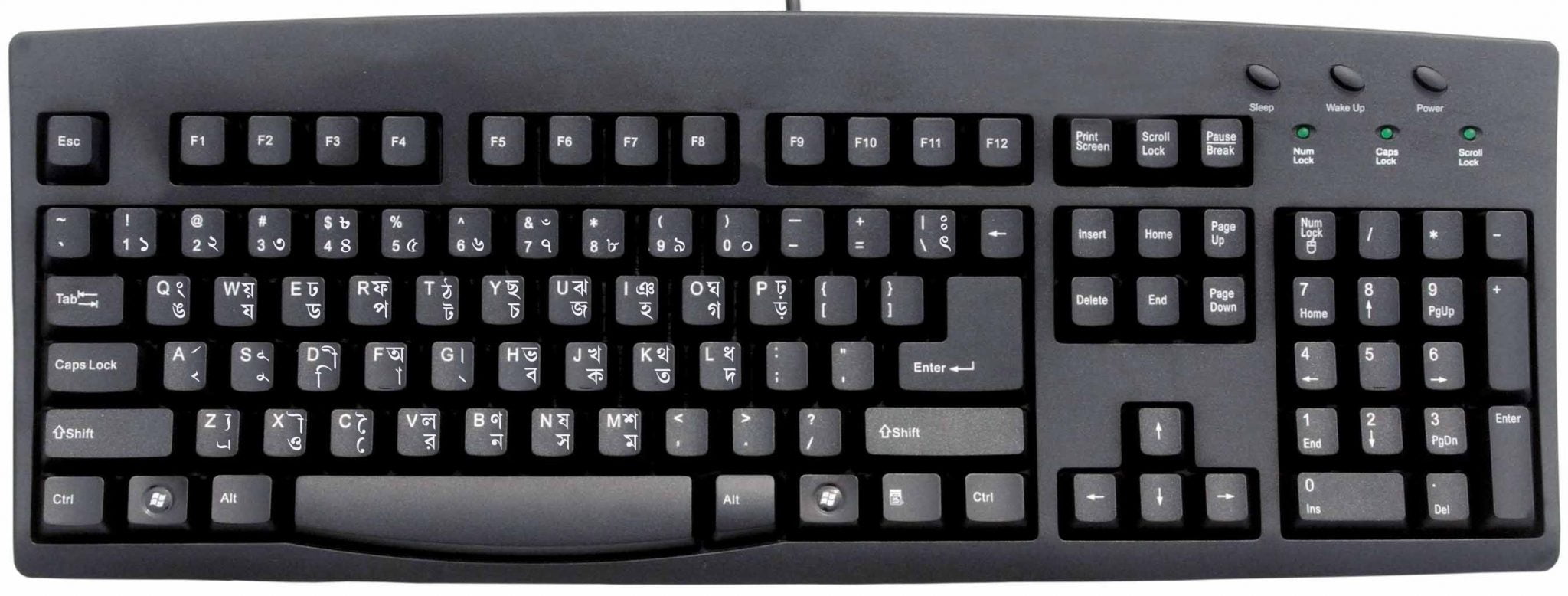
The period “electronic keyboard” refers to any device that produces sound by way of the pressing or playing of keys and makes use of power, in some form, to facilitate the creation of that sound. Using an electronic keyboard to provide song follows an inevitable evolutionary line from the first musical keyboard contraptions, the pipe organ, clavichord, and harpsichord. The pipe organ is the oldest of those, to start with, invented by the Romans within the 3rd century B.C., referred to as the hydraulis. The hydraulis produced sound by forcing air through reed pipes and was powered by using a manual water pump or a natural water source consisting of a waterfall.
From its first manifestation in ancient Rome until the 14th century, the organ remained the handiest keyboard tool. It often did not feature a keyboard in any respect, instead using big levers or buttons that were operated with the aid of the whole hand.
The subsequent look of the clavichord and harpsichord inside the 1300s changed into increased by the standardization of the 12-tone keyboard of white natural keys and black sharp/flat keys found in all keyboard instruments of today. The popularity of the clavichord and harpsichord was eventually eclipsed by the development and massive adoption of the piano within the 18th century. The piano became an innovative advancement in acoustic musical keyboards because a pianist ought to range the volume (or dynamics) of the instrument produced via various forces with which every key is struck.
The emergence of the digital sound era in the 18th century was the next essential step in improving the cutting-edge digital keyboard. The first electrified musical device turned into the concept of the Denis d’Or (constructed by Vaclav Prokop Dvorský), dating from approximately 1753. This was rapidly followed by the “clavecin electrique” invented by Jean Baptiste Thillaie de Laborde around 1760. The former device consisted of over seven hundred strings briefly electrified to beautify their sonic characteristics. The latter changed into a keyboard instrument offering plectra, or alternatives, that have been activated electrically.
While being electrified, neither the Denis d’Or nor the clavecin used electricity as a good supply. In 1876, Elisha Gray invented such an instrument referred to as the “musical telegraph,” which changed into, essentially, the first actual analog electronic synthesizer. Gray stated that he might want to control sound from a self-vibrating electromagnetic circuit and invented a primary single notice oscillator. His musical telegraph created sounds from the electromagnetic oscillation of steel reeds and transmitted them over a cellphone line. Grey went directly to incorporate a simple loudspeaker into his later models, which consisted of a diaphragm vibrating in a magnetic subject, making the tone oscillator audible.
Lee De Forrest, the self-styled “Father of Radio,” became the next most important contributor to the improvement of the electronic keyboard. In 1906, he invented the triode electronic valve or “audion valve.” The audion valve turned into the primary thermionic valve or “vacuum tube.” De Forrest constructed the first vacuum tube tool, the “Audion Piano,” in 1915. The vacuum tube became an essential component of electronic units for the subsequent 50 years till the emergence and significant adoption of the transistor generation.
The decade of the 1920s delivered a wealth of new digital units onto the scene, including the Theremin, the Ondes Martenot, and the Trautonium.
The following fundamental step forward within the records of electronic keyboards came in 1935 with the advent of the Hammond Organ. The Hammond changed into the first digital tool capable of producing polyphonic sounds and remained so until the Chamberlin MusicMaker and the Mellotron were discovered within the late 1940s and early 1950s. The Chamberlin and the Mellotron were the first-ever sample-playback keyboards meant for making songs.
The digital piano made its first appearance in the 1940s with the “Pre-Piano” with the aid of Rhodes (later Fender Rhodes). This changed into a three-and-a-half octave tool crafted from 1946 until 1948 that came prepared with self-amplification. In 1955, the Wurlitzer Company debuted its first electric-powered piano, “The a hundred.”
Is SEO a Worthwhile Investment?

This query is constantly being asked. “Is search engine optimization a profitable investment”?
The reality is that it is a superb query. As a matter of fact, this query should be asked with every advertising initiative. Is it worth investing in Paid Traffic? How approximately does the Social Media trade suggest, in addition to networking activities you go to?
In terms of ROI, Search Engine Optimization( SEO gets poor comments. This is actually because it can be hard to understand search engine optimization (how are you going to decipher 200 diverse rating factors?). Also, it takes time to produce consequences, and it’s miles tough to know if it’s miles powerful or not without using the right analytics.
However, your commercial enterprise ought not to disregard something as practical as search engine optimization. It is worth investing some time and marketing money, and here are three pieces of information as evidence:
89% of the users look for statistics on agencies, services, and products before purchasing.
It may additionally have been quite a while since you ultimately used the Yellow Pages to find a provider or an Encyclopedia to search for a commercial enterprise. That’s the way to the search engines.
The Yellow Pages are persevering with to plunge quickly (even though there are people who still use them), and there’s sufficient proof of this. Search engines are fast becoming a way to locate the entirety. Remember while you “Googled” something at the same time as waiting at a stoplight. It is wise to say that search engines are the “Yellow Pages” of today.
According to the statistics accrued, online search engines like Google are the cutting-edge mechanism used to discover facts. Suppose you need your commercial enterprise, services, or products to be seen in the search results organically (without purchasing the use of Ads). In that case, this is feasible with the assistance of SEO.